Grease Trap Testing for Commercial Facilities
Published: October 28, 2026 / Last Updated: October 28, 2026
Regular grease trap testing and inspection can help restaurant managers, business owners, and facility teams understand whether a grease interceptor is operating properly or needs service. Depending on the system and jurisdiction, this may involve measuring grease and solids, checking wastewater levels, inspecting internal components, and reviewing maintenance conditions.
Magnolia provides grease trap pumping, cleaning, inspection, maintenance, repair, and related commercial liquid-waste services throughout Washington, DC, Maryland, and Northern Virginia.
How Are Grease Traps Tested?
Grease traps and interceptors are generally evaluated by inspecting their condition and measuring what has accumulated inside.
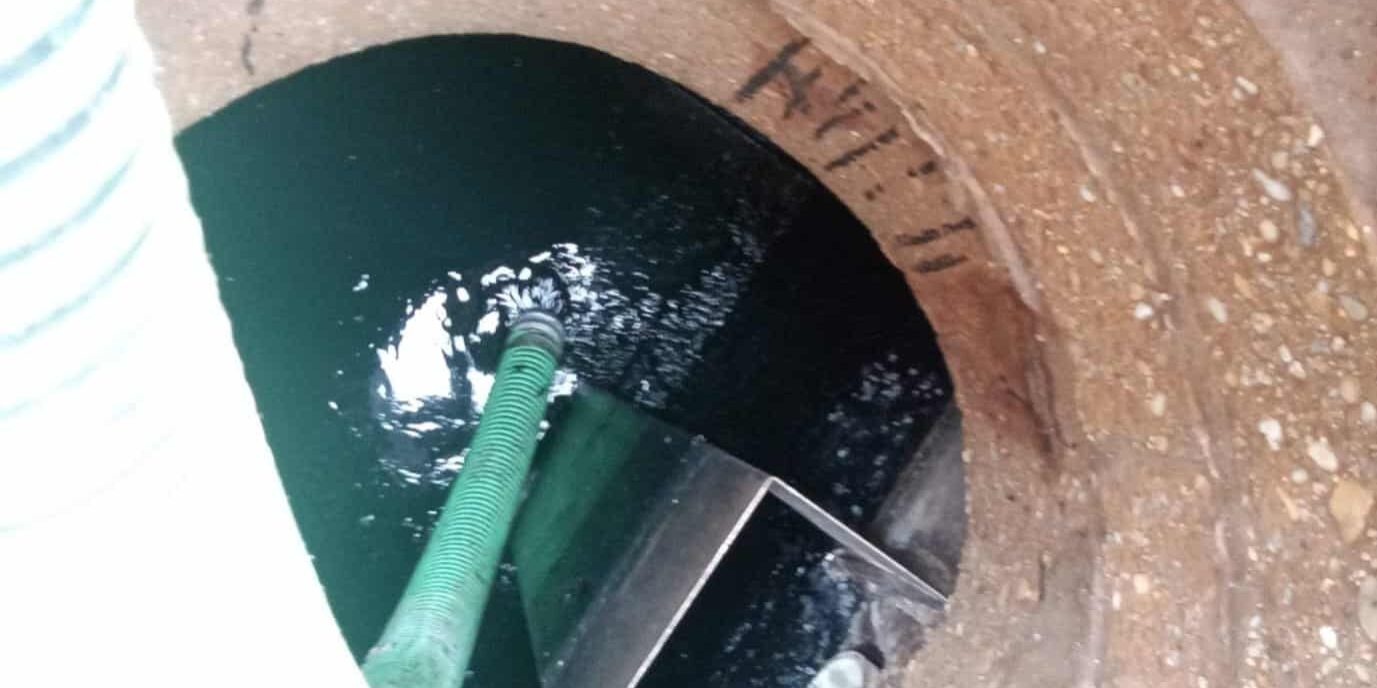
Magnolia explains that a contractor can use a sludge judge, dipstick, or similar measuring tool to determine the combined depth of the grease layer and settled solids. When those layers exceed the applicable maintenance threshold, pumping is needed.
The liquid level can also provide useful information. Magnolia notes that a level below the outlet invert may indicate a possible leak, while an unusually high level can point to a downstream drainage problem. These conditions should be evaluated by a qualified contractor.
An inspection may also look for damaged baffles, excessive buildup, drainage problems, or other conditions that affect operation. WSSC Water requires photographic documentation of certain cleaning conditions, including damaged or deficient interceptors.
When Is Testing Required?
Requirements depend on your location, system type, permit conditions, and the reason for the inspection.
Within WSSC Water’s service area, food-service establishments receive regular FOG inspections. Investigators check whether the grease-abatement system is properly sized for connected fixtures, adequately maintained, and in operating condition.
Testing or inspection may also become necessary when a facility has a grease-related violation, installs or modifies equipment, experiences recurring drainage problems, or needs to confirm maintenance requirements. WSSC requires additional review for plumbing work related to grease violations.
Grease Trap Inspection and Maintenance from Magnolia
Magnolia’s commercial services include:
- Grease and sludge measurement
- Preventive maintenance
- High-pressure water jetting
- Repair and replacement
- Commercial drain and sewer service
- Liquid-waste pumping
Magnolia has served the Washington region since 1950 and provides responsive commercial service throughout the DC Metro area.
Schedule Grease Trap Service
If you need an interceptor inspected, measured, cleaned, or pumped, Magnolia can help determine the appropriate next step for your facility.
Call 301-304-7064 or contact Magnolia online to schedule grease trap service in Washington, DC, Maryland, or Northern Virginia.
Share This Article:


Request An Estimate
Contact us for a free estimate. It's just one form or phone call away!
Join Our Newsletter
Submit your email to receive promotions.