Stormwater Management 101: Is Your Property Ready for a Spring Downpour?
Published: April 20, 2026 / Last Updated: April 28, 2026
In the DC and Baltimore metro areas, spring doesn’t just bring cherry blossoms—it brings heavy, relentless downpours. For property managers and homeowners alike, these rain events are the ultimate “stress test” for your drainage systems. Rainfall in urban areas, where impervious surfaces like pavement and rooftops dominate, leads to increased stormwater runoff because water cannot naturally soak into the ground.
While a minor indoor leak is a headache, a stormwater failure can be a catastrophe, leading to flooding, foundation damage, flooded parking lots, and environmental fines. Impervious surfaces in urban areas prevent water absorption, making flooding and runoff management critical concerns. At Magnolia, we handle the complex site utilities and industrial drainage issues that go far beyond the scope of a standard plumber.
Stormwater runoff is a significant source of pollution, carrying contaminants from many different sources into local water bodies. Common pollutants found in stormwater runoff include toxic metals, pesticides, fertilizers, vehicle oils, dirt particles, trash, and leaves, all of which can harm aquatic ecosystems and human health. Untreated stormwater runoff can lead to poor water quality in rivers and streams, causing cumulative impacts such as flooding, erosion, and damage to fish and wildlife habitats.
Here is what you need to know to ensure your property is ready for the next big soak.
Clogged Drain vs. Stormwater Runoff Failure: Know the Difference
It is easy to assume that a puddle near a catch basin just means a few leaves are blocking the grate. However, there is a significant difference between a simple clog and a systemic failure.
- A Simple Clog: Usually localized. You might see standing water around a single outdoor drain or a gutter downspout that isn’t flowing. This is often solved by basic cleaning.
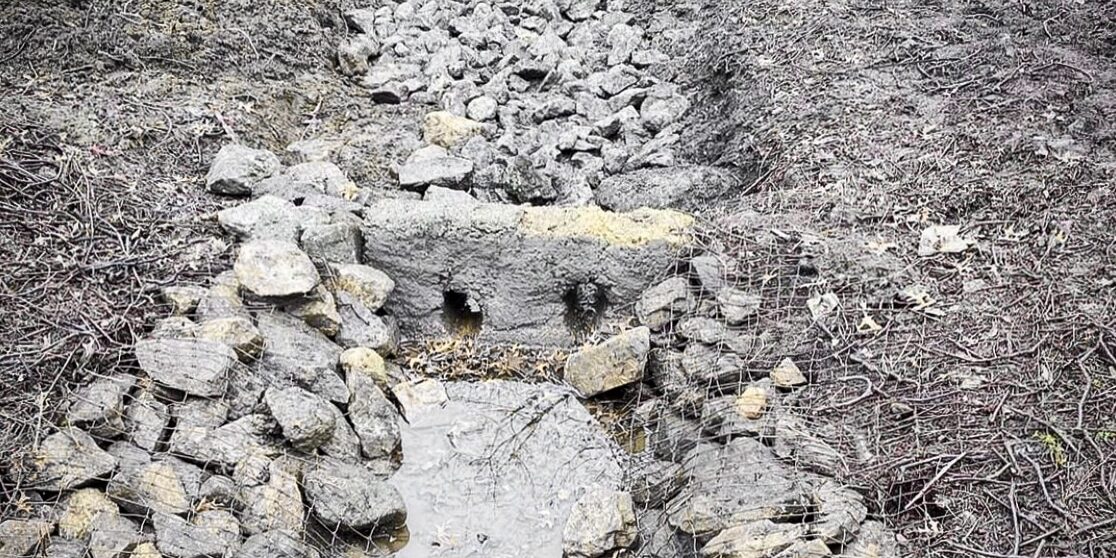
- Stormwater Failure: This is a structural issue within your site’s infrastructure. When stormwater runoff flows and runs rapidly over impervious surfaces, it can quickly overwhelm storm drains, drainage ditches, and sewer systems. If you see water backing up across a large parking area, soil erosion near underground pipes, or “sinkholes” forming in the pavement, your stormwater system is failing to divert volume. In older urban areas, heavy rainfall can cause combined sewer overflows (CSOs), releasing untreated waste into waterways. These issues often require hydro-jetting—using high-pressure water to safely uncover underground utilities—to find the root of the problem without damaging surrounding lines. Detaining stormwater and removing pollutants is a primary purpose of stormwater management, achieved through infrastructure like pervious surfaces and gray infrastructure.
Seeing is Believing: How Video Pipeline Inspection Works
When it comes to underground infrastructure, guessing is expensive. That’s why Magnolia utilizes video to inspect your pipeline to get a “bird’s eye view” from inside your pipes. We navigate high-resolution, waterproof cameras through your stormwater lines to identify:
- Root Intrusions
- Cracked or collapsed pipes
- Heavy sediment buildup
- Offset joints
By identifying the exact location and nature of a blockage, we can perform surgical repairs rather than digging up your entire property. This saves time, reduces costs, and minimizes the footprint of the repair.
Facilities such as bioswales and flow-through planters are designed to capture and manage stormwater, helping to reduce urban runoff and improve water quality. Additionally, permeable pavement is a management practice that allows water to seep through into the ground instead of running off into storm drains, supporting sustainable stormwater management.
For Our Commercial Clients: The Grease Interceptor Connection
If you manage a commercial property or restaurant, your stormwater health is closely tied to your grease interceptor (grease trap) maintenance. Businesses are significant sources of stormwater pollution, as runoff from commercial properties can carry chemicals such as grease, oil, antifreeze, pesticides, and fertilizers, as well as bacteria from waste, into local waterways.
During heavy spring rains, an overflowing or poorly maintained grease trap can become a major liability. If grease-laden waste escapes into the municipal storm sewer system, it can lead to massive “fatbergs” that cause backups and result in heavy environmental fines from local jurisdictions. Controlling pollution at its source and implementing best management practices (BMPs) to reduce runoff and ensure clean water leaves your property are essential steps for effective stormwater management. Regular pumping and cleaning aren’t just about hygiene—they are a critical part of your property’s flood prevention strategy.
Why Choose Magnolia for Drainage?
Most plumbing companies stop where the house meets the yard. Magnolia doesn’t. With our fleet of specialized equipment and 75 years of experience in site utilities, we are equipped to handle the “big stuff”—from municipal sewer line repairs to commercial stormwater management.
Don’t wait for the clouds to turn grey to check your system. A proactive inspection today can prevent a total washout tomorrow.
Request An Estimate
Ensure your property stands up to the next big soak. In commercial facility management, a failed drainage system is more than a nuisance—it’s a liability. Trust the team with the specialized hydro-excavation equipment and site utility expertise to keep your infrastructure clear and compliant. Contact Magnolia today and keep your property on solid ground this spring.
Share This Article:


Request An Estimate
Contact us for a free estimate. It's just one form or phone call away!
Join Our Newsletter
Submit your email to receive promotions.