The “Invisible” Danger: Why Your DC Home Needs a Carbon Monoxide Audit
Published: September 18, 2026 / Last Updated: September 30, 2026
A carbon monoxide audit is a professional inspection and testing service that checks your home for carbon monoxide and confirms whether your heating system is operating safely without dangerous CO leaks.
The Washington, D.C. area is known for its historic charm. But while these older homes carry a lot of character, they also carry aging infrastructure. When it comes to your heating system, “old school” isn’t always a good thing. Carbon monoxide (CO) is often called the “silent killer” because it is colorless, odorless, and tasteless. In the DMV area, where many homes rely on aging gas furnaces or boilers—and where many others use natural gas, oil, or propane for heating and hot water—the risk of a silent leak is higher than you might think. For homeowners in DC, especially those in older houses who want to protect their families, knowing the symptoms of CO exposure, how long detectors last, where alarms should be placed, and what professional testing actually includes can make the difference between a safe home and a hidden hazard.
Carbon monoxide alarm and audit requirements vary by state, city, and property type.
At Magnolia, we believe your home should be your sanctuary, not a source of hidden danger. This guide explains the CO risks common in older DC homes, what a professional carbon monoxide audit looks like, and how Magnolia helps homeowners identify and address problems before they become emergencies.
Why Older DC Homes Are at Higher Risk
In newer builds, high-efficiency systems are designed with advanced venting and safety shut-offs. However, many homes in the District still utilize mid-efficiency furnaces or boilers that have been working hard for 15, 20, or even 30 years. Older housing stock may also have aging or deteriorating chimney flues, increasing the need for testing inside the home.
Over time, the heat exchanger—the component that keeps combustion gases separate from the air you breathe—can develop microscopic cracks. As the metal expands and contracts through thousands of heating cycles, these cracks widen, allowing carbon monoxide to seep into your ductwork and circulate throughout your home. CO can also build up when appliances malfunction or combustion is incomplete.
DC requires carbon monoxide alarms in residential buildings with fuel-burning equipment or attached garages.
Common Symptoms of Carbon Monoxide Exposure
Because you can’t see or smell carbon monoxide, it’s important to recognize how it makes people feel. Symptoms are often mistaken for the flu or a common cold, but there’s a key difference: they often improve when you leave the house.
Watch out for:
- Dull headaches (the most common early sign)
- Dizziness or lightheadedness
- Nausea or vomiting
- Shortness of breath
- Confusion or blurred vision
If multiple family members (including pets) feel sick at the same time, or if your symptoms vanish when you go to work and return when you get home, you may have a CO leak. If a CO alarm is active, leave the house immediately and get fresh air.
The Lifespan of Your Carbon Monoxide Detection Device
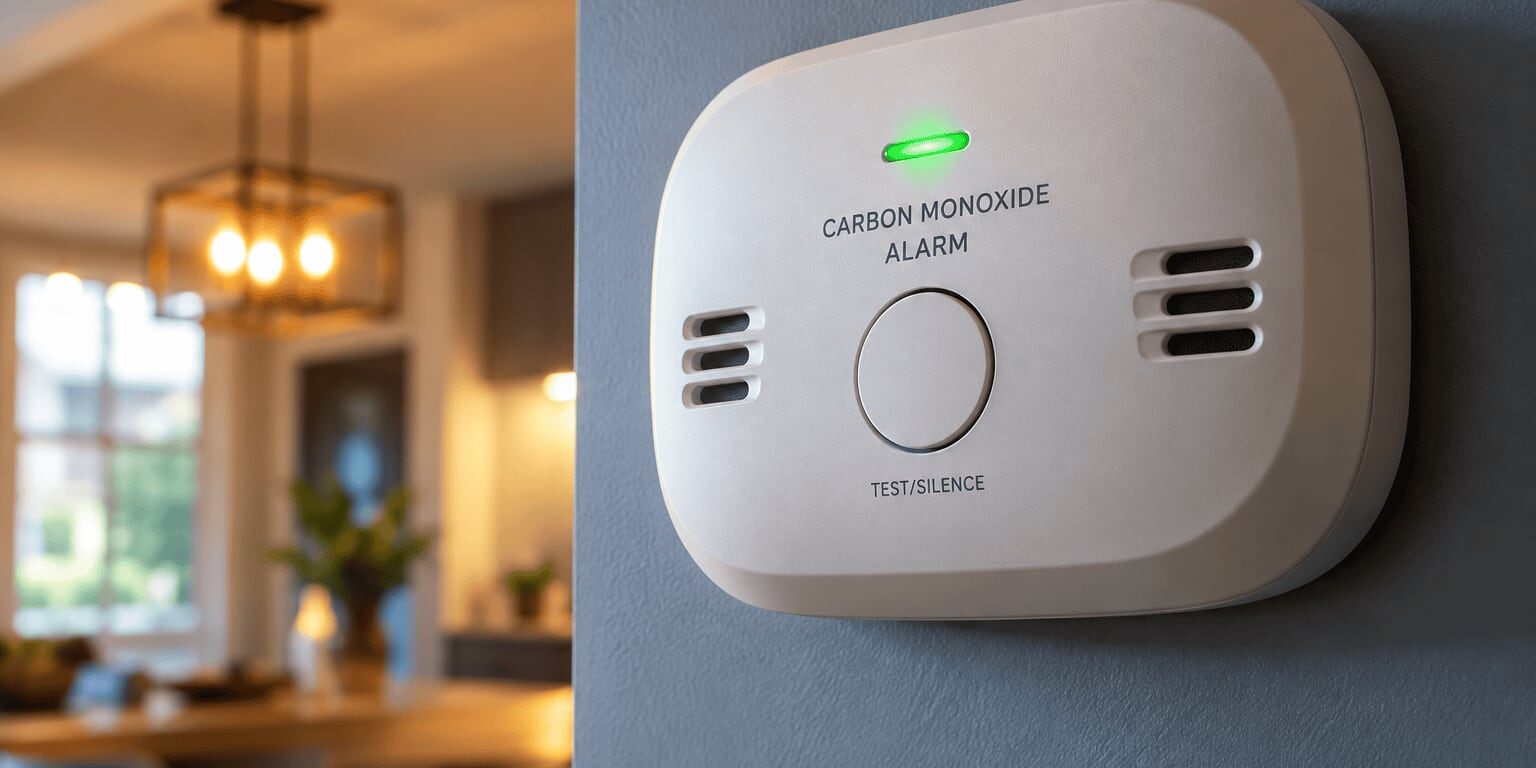
Most homeowners know to change the batteries in their smoke detectors, but carbon monoxide detectors have an expiration date for the sensor itself, so carbon monoxide detection devices should be tested monthly and replaced on the manufacturer’s schedule, not just when batteries die.
- Standard Lifespan: Most CO detectors are only rated for 5 to 7 years.
- The Date Code: Check the back of your unit for a manufacture date and follow the maker’s schedule; if it’s more than five years old, replacement is often due.
- Placement Matters: You should have a detector on every level of your home and outside every sleeping area. Integrated smoke and carbon monoxide alarms can be easier to manage in many homes.
Professional Carbon Monoxide Detection and Testing Services
A standard visual inspection alone can’t tell you everything about how safely your fuel-burning equipment is operating. When Magnolia performs a heating tune-up, we can also provide carbon monoxide testing as part of a more detailed combustion safety evaluation. Having fuel-burning heating equipment professionally inspected and maintained annually can help identify combustion and venting problems before they become more serious.
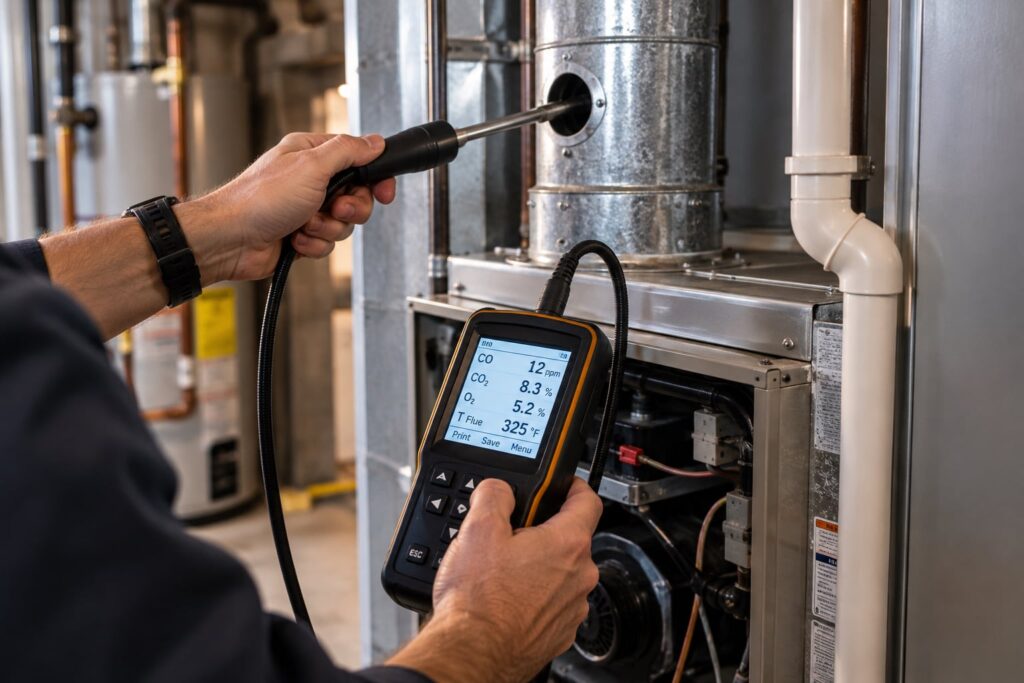
During testing, our technicians use specialized electronic combustion-analysis equipment to measure carbon monoxide and other combustion characteristics. Depending on the equipment being evaluated, testing may include measurements of flue gases, ambient carbon monoxide levels, oxygen levels, draft, and other operating conditions. Acceptable carbon monoxide readings vary by appliance type, manufacturer specifications, and the applicable testing standard. This testing allows us to:
- Measure Carbon Monoxide Levels: Sensitive professional instruments can detect low concentrations of carbon monoxide and identify combustion problems that may not trigger a standard household CO alarm.
- Analyze Combustion: Oxygen, carbon monoxide, flue temperature, and other readings can help technicians determine whether fuel-burning equipment is operating and venting properly.
- Identify Draft and Venting Problems: We verify that exhaust gases are actually leaving your home through the chimney or vent, rather than “backdrafting” into your living space.
- Inspect Equipment Condition: A technician can also look for deterioration, venting problems, heat-exchanger concerns, and other conditions that could allow combustion products to enter the home.
The results can provide a useful record of your system’s operating conditions and help identify safety concerns that should be corrected. Carbon monoxide testing complements, but does not replace, properly installed and maintained carbon monoxide alarms throughout the home.
Trust the Experts at Magnolia
Protecting your home means more than just keeping it warm; it also means keeping it safe. The District of Columbia Property Maintenance Code requires carbon monoxide alarms in residential dwelling units with carbon monoxide sources, including buildings with fuel-burning equipment or attached enclosed garages, subject to limited exceptions. With over 75 years of experience, Magnolia’s technicians are trained to identify equipment deterioration, combustion problems, and other conditions that could create carbon monoxide risks, and to recommend routine maintenance that helps keep your system operating safely.
Request An Estimate
Don’t leave your family’s safety to chance. Whether you’re worried about an invisible leak or just want to ensure your system is prepared for the season ahead, Magnolia is here to help. Contact Magnolia today and breathe easier knowing your home is protected.
Share This Article:


Request An Estimate
Contact us for a free estimate. It's just one form or phone call away!
Join Our Newsletter
Submit your email to receive promotions.