Natural Drain Cleaners
Published: December 18, 2025 / Last Updated: February 27, 2026
Why Choose Natural Drain Cleaners
Chemical drain cleaners might seem like a quick fix, but they often contain harsh substances that can damage pipes and worsen plumbing issues. Some of these products use toxic chemicals and harsh chemicals, which can pose risks to your health, your pipes, and the environment. In addition, some chemical drain cleaners contain toxic ingredients that can harm your septic system.
Eco-friendly, non-toxic alternatives are available, including non-toxic, biodegradable concentrates recognized by the EPA’s Safer Choice Program.
Some people have mixed experiences with the effectiveness of natural drain cleaners: some find them helpful, while others report no effect. That being said, if you prefer a DIY solution before calling in professionals, these homemade methods can be a great place to start. With natural drain cleaners, you don’t have to worry about harsh smells or damaging your septic system.
5 DIY Drain Cleaners You Can Make at Home

When it comes to unclogging your pipes without harsh chemicals, natural drain cleaners are a popular choice. Many people turn to a diy drain cleaner recipe or a cleaner recipe that uses common household ingredients like baking soda and vinegar. Each drain cleaner is designed to be eco-friendly and safe for regular maintenance or minor clogs.
1. Grease Clogs? Try Dish Soap + Hot Water
Grease, oil, and fats (FOG) tend to stick to the inside of pipes and solidify, creating stubborn blockages.
- Mix a few tablespoons of liquid dish soap with about 2 liters of hot water (not boiling, unless your pipes are rated for it).
- Pour the mixture down the clogged drain to help break down and wash away grease buildup.
- You may need to repeat the process several times for the full effect.
- After using the dish soap solution, flush the drain with another pot of hot water to wash away any loosened grease and debris. This method is safe for all types of drains and helps prevent pipe damage.
2. Classic Baking Soda & Vinegar: A Budget-Friendly Go-To
This time-tested combo is often the first natural method many homeowners try.
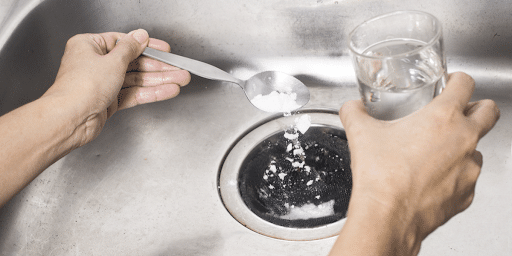
- Take 1 cup of baking soda. Pour it down the drain.
- Immediately follow by pouring 1 cup of white vinegar into the drain. The mixture will create a fizzing reaction that can help dislodge minor debris and neutralize unpleasant smells.
- Vinegar also acts as a natural deodorizer and can help remove limescale and soap scum.
- Let the mixture work for 15 minutes up to 1 hour.
- Flush with boiling water.
- For more challenging clogs, you may need to repeat the process.
Note: Many users find that this method provides only light disinfecting and may not clear stubborn clogs.
3. Baking Soda + Salt + Vinegar: For Tougher Clogs
If standard methods struggle, this slightly more abrasive mixture can help dislodge buildup. The combination works to break down organic matter, food particles, and debris that cause tough clogs.
- Combine ½ cup baking soda and ½ cup salt.
- Pour the mixture down the drain, then add a cup of boiling vinegar.
- Let it sit for at least 10 minutes, then flush with boiling water.
4. Baking Soda + Salt + Cream of Tartar: Extra-Strong Cleaning Power
Cream of tartar helps clean and deodorize metals and can boost the effectiveness of your DIY cleaner. This mixture helps dislodge buildup, including stubborn soap scum, leaving your drains clean.
- In a sealable container, mix ½ cup baking soda, ½ cup salt, and ⅛ cup cream of tartar.
- Pour half the mixture into the clogged drain.
- Let the mixture sit for 30 minutes to 1 hour, then rinse with hot water.
- If needed, use the leftover mixture for a second application.
5. Borax + Salt + Vinegar: Great Alternative When Baking Soda Is Out
Out of baking soda? Borax offers a similar cleaning action.
- Combine ¼ cup borax, ¼ cup salt, and ¼ cup vinegar in a pot of hot water (use hot water instead of boiling water if your pipes are not rated for boiling water).
- Be careful when pouring the hot mixture into the drain to avoid burns.
- Let it sit for up to 1 hour, then flush thoroughly with hot water.
Key Takeaways
- Homemade, natural drain cleaners (like dish soap, baking soda, vinegar, salt, cream of tartar, or borax) offer safe, gentle alternatives to harsh chemical solutions and are a popular choice for those seeking a diy drain cleaner.
- For minor to moderate drain clogs caused by grease, hair, or everyday buildup, these DIY fixes can be surprisingly effective, but some methods may not unclog a blocked drain, and results can vary.
- Tougher blockages or recurring issues may require professional cleaning, as even the best natural or enzyme-based solutions may not fully unclog a blocked drain. Don’t risk pipe damage or unresolved clogs.
- Keep hot water on hand; flushing with boiling or very hot water significantly improves effectiveness after using these natural mixtures.
When to Call the Pros
These natural methods can solve many common clogs, especially those caused by grease, hair, or kitchen residue. However, if your bathroom sink, kitchen sink, tub, or shower remains slow or clogged, or if you notice a leak or foul smell, it may indicate a deeper issue in the drain pipe requiring professional intervention. Persistent clogs may require removing the plug or drain cover to access and clear the blockage. A plumber may use a drain snake to physically pull out gunk, hair, or debris that cannot be loosened by DIY methods.
For reliable, thorough cleaning (especially deeper in the system), consider reaching out to Magnolia Plumbing, Heating & Cooling for professional drain cleaning services. If your drains are giving you trouble and DIY methods aren’t doing the trick, don’t wait until a minor clog becomes a significant problem. Contact Magnolia today to schedule professional drain cleaning. Fast, reliable service is just one call or form away!
Share This Article:


Request An Estimate
Contact us for a free estimate. It's just one form or phone call away!
Join Our Newsletter
Submit your email to receive promotions.