
Why Pipes Burst in Winter and How to Prevent It in Your DMV Home
Published: October 16, 2026 / Last Updated: October 16, 2026
When temperatures drop below freezing, the plumbing inside your home can face a problem that’s easy to overlook. A water pipe may freeze in a basement, behind a wall, or beneath a sink long before you notice anything unusual.
For homeowners in DMV area, understanding why pipes burst in winter can help prevent water damage and unexpected plumbing repairs.
The good news is that several practical steps can reduce your risk. The key is knowing which pipes need attention, how freezing causes damage, and when to get professional help for frozen pipe issues.
Why Do Water Pipes Burst When They Freeze?
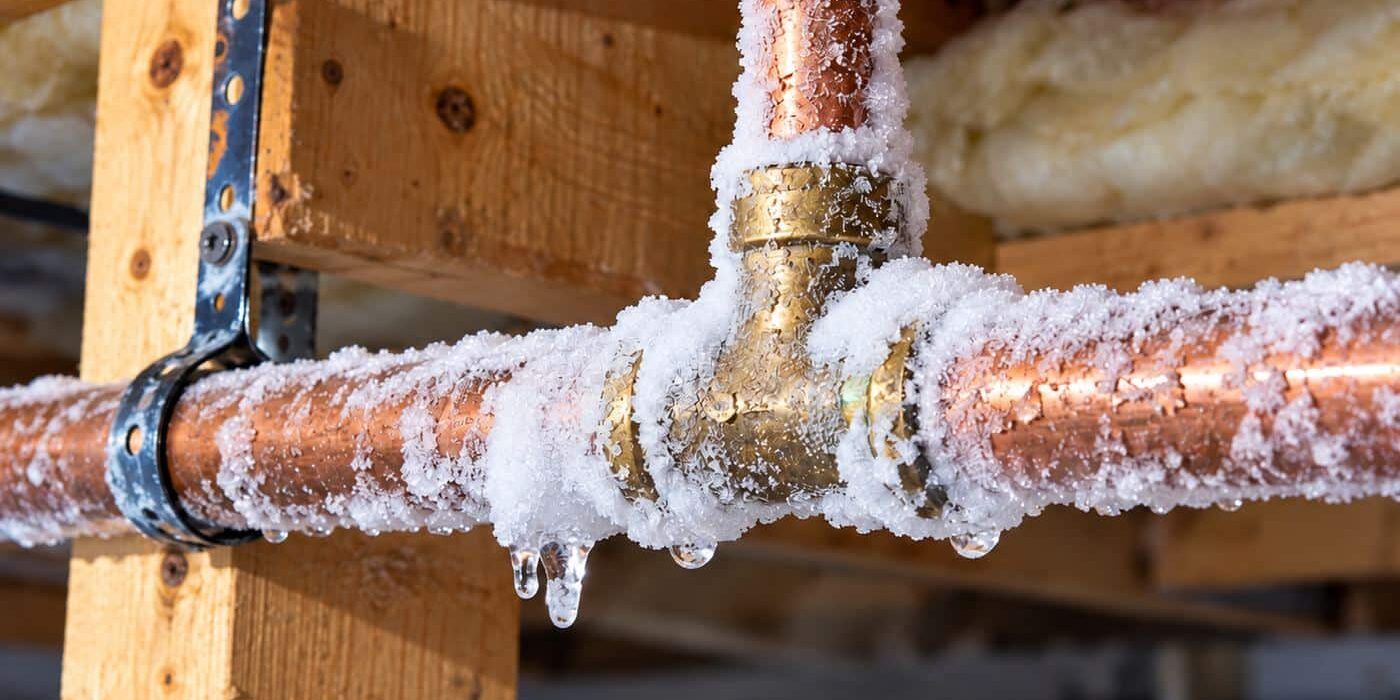
Water pipes can burst in winter because freezing water creates an ice blockage that allows pressure to build inside the pipe.
When water freezes, it expands. That expansion can restrict the passage of water through a supply line. As pressure rises between the blockage and a closed faucet, the pipe may eventually rupture.
This means the damaged section isn’t always where the ice formed. A pipe can split some distance away from the frozen area.
A pipe may also remain frozen without showing an obvious leak. Once temperatures rise and the ice melts, water can begin escaping through a crack that developed earlier. That’s why checking plumbing after a freeze matters just as much as preparing beforehand.
Which Pipes Are Most Likely to Freeze?
Pipes exposed to cold air or located outside heated living spaces are generally more vulnerable to freezing.
Pay particular attention to plumbing in these locations:
- Unheated basements and crawl spaces: Exposed pipes can lose heat when surrounding temperatures fall.
- Exterior walls: Pipes may sit near poorly insulated areas or openings that allow cold air inside.
- Garages: Plumbing in an unheated garage may have less protection during freezing weather.
- Attics: Supply lines can be exposed to low temperatures when they run outside conditioned spaces.
- Kitchen and bathroom cabinets: Pipes beneath sinks along exterior walls can become especially cold.
- Outdoor faucets and hose connections: Water left in exposed sections may freeze during cold weather.
In the Washington, DC and Baltimore region, winter cold snaps can affect homes with very different layouts. An older property with exposed basement plumbing may need a different approach than a newer home with water lines routed through insulated interior spaces.
The condition and location of each pipe matter more than the age of the home alone.
How Can You Keep Pipes from Freezing in Winter?
The most useful winter plumbing precautions focus on keeping vulnerable pipes warmer and reducing their exposure to freezing air.
Start with a walk-through of your home before the next stretch of cold weather.
Insulate exposed water pipes
Inspect accessible supply lines in basements, garages, crawl spaces, and other unheated areas.
Properly fitted pipe insulation can help slow heat loss. Look for gaps around fittings and elbows, where sections may be left uncovered. Insulation helps protect plumbing, but it doesn’t replace the need for adequate heat in cold areas.
Seal gaps that let cold air inside
Cold air can enter through openings around plumbing penetrations, foundations, and exterior walls.
Check for drafts near exposed pipes. Appropriate air sealing may help keep these locations warmer and reduce freezing risk. Pay close attention to areas where pipes pass through walls or floors.
Maintain indoor heating
Keep your home heated during freezing weather, including when you’re away.
If pipes sit inside cabinets along exterior walls, opening the cabinet doors can allow warmer room air to reach them. During severe cold, allowing a vulnerable faucet to drip slowly may help reduce freezing risk. Follow any applicable local water-use guidance.
Protect outdoor plumbing
Disconnect garden hoses before freezing temperatures arrive.
Where the plumbing design allows, shut off and drain outdoor water lines. Follow the manufacturer’s instructions for frost-free fixtures or other specialized equipment.
Outdoor faucets that repeatedly freeze may need a closer plumbing evaluation.
If you’re unsure whether your home’s pipes are properly protected, schedule an inspection with Magnolia today
How Can You Tell if a Pipe Is Frozen?
An unexpected loss of water flow during freezing weather can be a sign that a supply pipe has frozen.
For example, if one faucet stops working while other fixtures still have normal water flow, the problem may involve a localized section of plumbing.
Other possible warning signs include:
- Water flowing more slowly than normal
- Little or no water coming from a fixture
- Frost visible on an exposed pipe
- A supply line that feels unusually cold
- A new leak appearing as temperatures rise
These symptoms do not prove a pipe is frozen. Low water pressure and interrupted flow can have other causes.
The important question is whether cold weather and the location of the affected plumbing point toward freezing.
If the cause isn’t clear, a professional inspection can help avoid unnecessary work.
What Should You Do if a Pipe Freezes?
If you suspect a frozen pipe, check for leaks first and avoid trying to force water through the line.
Locate your home’s main water shutoff valve so you can respond quickly if damage appears.
If the pipe is accessible, shows no signs of damage, and can be approached safely, gentle warming may be appropriate. A warm towel or a heating pad used according to its instructions can help.
Never use a torch, open flame, or other high heat tool to thaw plumbing. These methods can damage materials and create a fire hazard.
If the frozen section is hidden inside a wall, difficult to reach, or showing signs of damage, stop and contact a plumber.
You don’t need to open a wall or take apart plumbing to confirm your suspicion. That’s where a professional evaluation makes sense.
What Should You Do if a Water Pipe Bursts?
If a pipe bursts, shut off the water supply as soon as it is safe to do so.
A damaged supply line can release water into cabinets, flooring, walls, and finished rooms.
Take these steps:
- Turn off the main water supply valve if you can reach it safely.
- Stay away from electrical outlets, appliances, and equipment exposed to water.
- Do not enter standing water near electrical equipment.
- Contact a plumbing professional to identify and repair the damaged pipe.
- Document visible damage when safe for any insurance-related follow-up.
If water creates an electrical hazard, keep clear and seek appropriate emergency assistance rather than trying to reach a dangerous shutoff location.
After the immediate problem is under control, the plumber can assess whether the damaged section can be repaired or whether additional piping needs attention.
Can Winter Plumbing Problems Be Prevented Completely?
No single precaution can remove every possibility of frozen or burst pipes, but preparation can reduce common risks.
A good prevention plan should account for the location of exposed plumbing, insulation condition, drafts, and the way your home is heated.
If you’ve had a frozen pipe before, pay particular attention to the affected location. Repeated freezing may point to a condition that requires more than a temporary fix.
Professional pipe work can also be worth considering when plumbing runs through areas that are difficult to heat or protect.
When Should You Schedule a Plumbing Inspection?
Schedule a plumbing inspection when pipes repeatedly freeze, water flow changes during cold weather, or you suspect a leak.
A plumber can examine accessible piping, discuss possible cold-air exposure, and recommend repairs or protective measures based on the home’s layout.
For homeowners throughout DMV, winter preparation starts with understanding where plumbing is most vulnerable. You don’t need to wait for a pipe to burst before addressing a recurring problem.
If you’re concerned about exposed pipes, frozen water lines, or a suspected leak, schedule service with Magnolia. We can help evaluate the issue and explain your options.
Frequently Asked Questions
Share This Article:


Request An Estimate
Contact us for a free estimate. It's just one form or phone call away!
Join Our Newsletter
Submit your email to receive promotions.