5 Signs Your Main Sewer Line is Planning a “Surprise” Visit
Published: June 19, 2026 / Last Updated: July 31, 2026
A sewer backup is one of the most stressful plumbing problems a homeowner can face. It can affect your basement, damage your yard, create foul sewage odors, and turn a small clog into costly repairs. In Washington, DC, older infrastructure, heavy rain, tree roots, and aging pipe materials all contribute to sewer line problems. Knowing how your sewer line works, where it is located, and what warning signs to watch for can help protect your house and avoid emergency repairs.
A sewer line carries wastewater from your house to the city sewer or municipal system. Your drains, toilets, sinks, showers, tubs, and washing machine drains all connect into your plumbing system, and that flow eventually moves into the main sewer line. In most homes, the main sewer line connects through a sewer lateral, also called a sewer service line, before reaching the sanitary sewer or main sewer in the street. For many homeowners, understanding which part of the sewer system they are responsible for is the first step in preventing sewer backup and property damage.
What Is a Sewer Line?
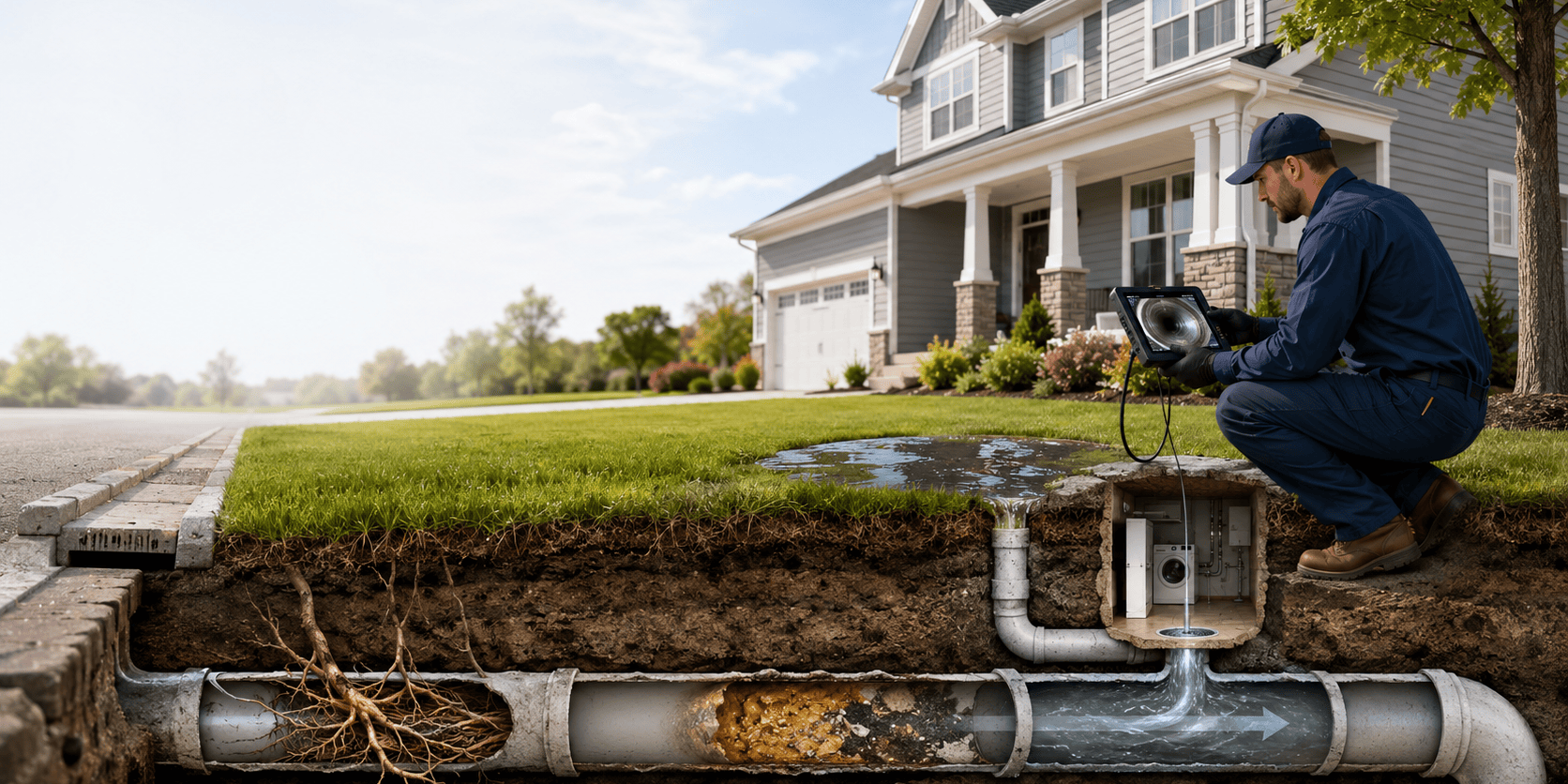
A sewer line is the pipe that transports wastewater and sewage away from a residential property and into the municipal system. In a house, smaller drains carry water from sinks, toilets, tubs, and appliances into larger drain lines, which then feed the main sewer line. That main sewer line is the primary pipe responsible for moving waste away from the building.
For homes, the main sewer is usually a 4-inch pipe, and the sewer line is often located about 4 to 6 feet below the ground. Depending on the property and location, the access point may be near the property line, the basement wall, the crawl space, or the yard. Sewer cleanouts, property records, and video inspection tools can help a plumber determine the exact location.
What Is the Main Sewer Line Called?
The main sewer line is often simply called the main sewer, house sewer, or sewer lateral, depending on the exact section being discussed. Within the property boundary, a property owner is often responsible for the private sewer lateral connecting the house to the city main sewer in the street. In DC, homeowners are generally responsible for maintaining this connection, and in some cases, that responsibility extends into the street before the line reaches the city-owned system.
Sewer Backup or Sewer Back Up?
The most common spelling is sewer backup as one word, and that is the form most plumbers, insurers, and homeowners’ insurance documents use. Whether someone says sewer backup or sewer back up, they are referring to the same issue: sewage or wastewater flowing in the wrong direction through the plumbing system because of a blockage, clog, collapse, or overload in the sewer system.
What Does It Mean to Have a Sewer Backup?
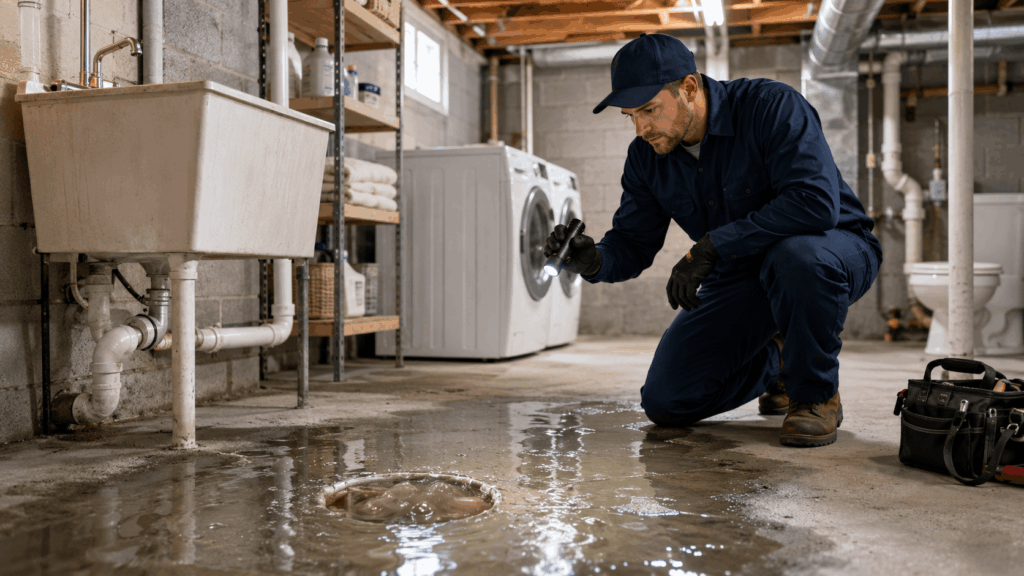
A sewer backup occurs when wastewater or raw sewage cannot flow properly through the sewer line and instead backs up into the house through drains, toilets, sinks, or floor drains. In serious cases, a sewer backup may leave sewage in the basement, spread debris, and create major property damage. A backup may be caused by tree roots, grease buildup, foreign objects that should not be flushed down drains, broken pipe sections, or a city sewer overload during heavy rain.
In Washington, DC, combined sewer areas are especially vulnerable during storms. About one-third of DC uses a combined sewer system, which means stormwater and sewage may share parts of the same system. When that sewer system becomes overwhelmed, a backup can occur faster and lead to further damage inside the property.
How Do You Tell if You Have Sewer Line Problems?
There are several warning signs that point to sewer line problems. The most common signs include multiple slow drains, sewer odors, bubbling toilets, water backing up in the basement, soggy ground in the yard, and recurring clogs in more than one fixture. A professional plumber can confirm whether the problem is a localized drain issue or a main sewer line obstruction.
1. Multiple Slow Drains at the Same Time
One slow sink may just mean a local clog. But if sinks, toilets, tubs, and other drains across the house are all moving slowly, that is one of the clearest warning signs of a main sewer line blockage. When several drains are affected at once, the problem is usually deeper in the sewer line rather than in an individual pipe.
2. Gurgling Toilets and Strange Noises
When air is trapped by a blockage in the main sewer line, it often escapes through toilets or nearby drains. You may hear gurgling after you flush, or notice bubbles in the toilet when sinks or the washing machine drains. Those sounds often mean the sewer line is struggling to vent and drain correctly.
3. Sewer Odors in the Basement or Yard
Persistent sewage smells in the basement, crawl space, or yard can signal a cracked sewer line, loose pipe connection, or backup problem. A healthy plumbing system should move wastewater without letting sewer gas escape. If you notice recurring odors inside or outside near the ground, contact a plumber before extensive damage develops.
4. Wet Spots or Extra-Green Areas in the Yard
A leaking sewer line can leave parts of the yard soggy, soft, or unusually green. Sewage acts like fertilizer, so one patch of grass may look healthier while the ground beneath it tells a different story. In severe cases, a leak can even cause settling, depressions, or sinkholes near the damaged pipe.
5. Repeated Basement Backup Issues
If wastewater appears in a basement drain or lower-level toilet, that is a major sign of sewer problems. A basement backup often indicates a clogged main sewer line, a cracked sewer lateral, or an overloaded city sewer. Repeated backup events should never be ignored, as they can lead to expensive repairs and significant cleanup costs.
FAQs
Don’t Wait for a Sewer Backup
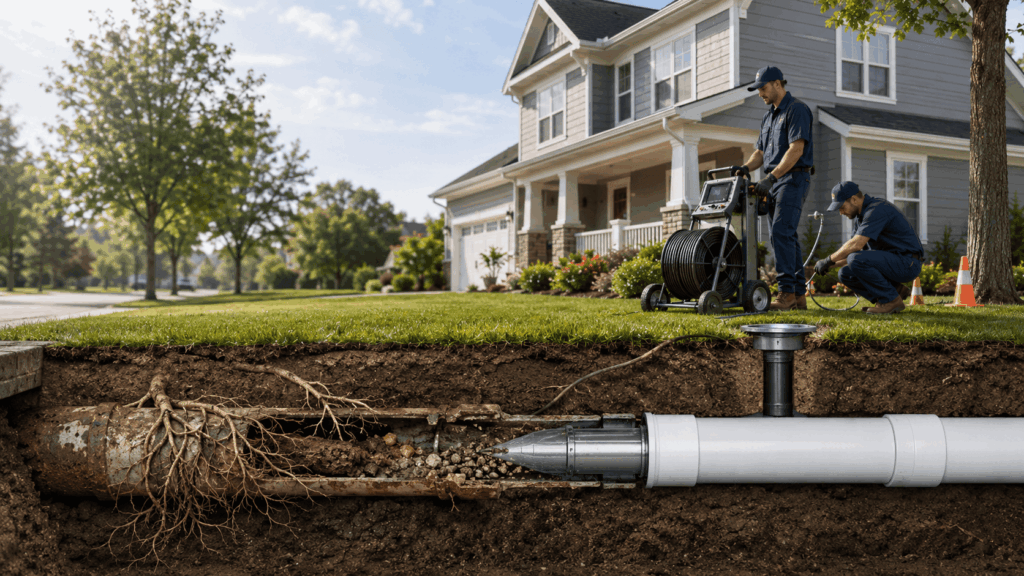
If you have noticed multiple slow drains, bubbling toilets, sewer odors, or a wet yard, now is the time to act. Magnolia’s professional plumbers use specialized equipment to inspect your sewer line, identify the problem, and recommend the right repair or sewer line replacement for your home.
Whether you need help with a clog, a backup, plumbing repairs, or a full sewer line replacement, early action can protect your home from sewage damage and avoid more serious disruption. If you suspect a main sewer line issue, contact Magnolia today.
Share This Article:


Request An Estimate
Contact us for a free estimate. It's just one form or phone call away!
Join Our Newsletter
Submit your email to receive promotions.